HzBeat Academic Engineering Program

Engineering support for the next RF breakthrough.

Components, measured data and engineering collaboration for universities, research laboratories and student teams working from 20 MHz to 200 GHz.

200 GHz Coverage beginning at 20 MHz
18+ years RF research and development
4 solutions Microstrip · Drop-in · Coaxial · Waveguide
S-parameters Measured data available on request

Who we support

Research teams working beyond the textbook

The program supports research institutes, R&D laboratories and university RF and microwave teams working on defined technical projects involving circulators and isolators.

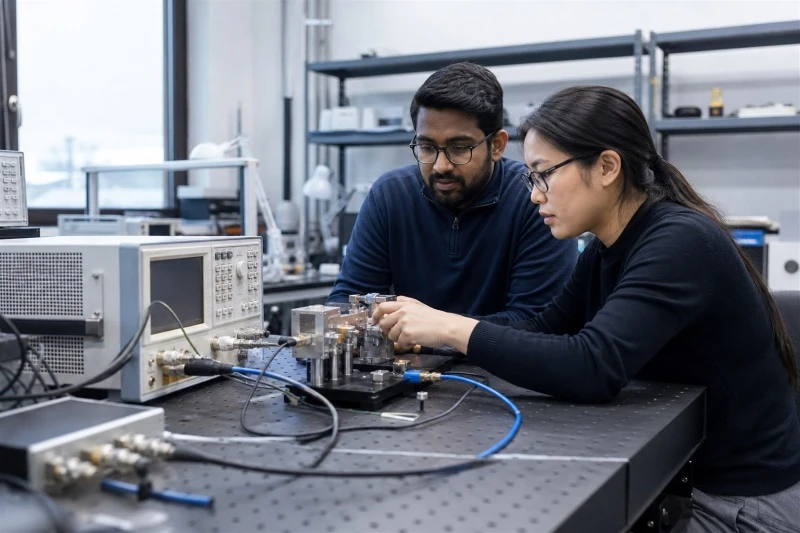
Graduate researchers configuring an RF measurement fixture in an academic laboratory
Research Institutes & R&D Labs RF and microwave research, prototype development and measurement-driven validation. Illustrative RF research scene
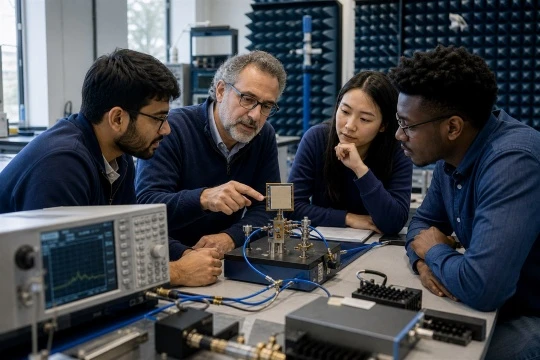
University professor and graduate researchers reviewing a microwave test assembly
University RF & Microwave Labs Thesis research, advanced RF courses, student projects and engineering competitions. Illustrative university lab scene

Research support

Practical support at every stage of your RF research

We help research teams select, evaluate and integrate RF circulators and isolators—from early-stage lab prototypes to custom millimeter-wave designs.

01

Engineering Samples & Academic Support

Selected research projects may receive complimentary samples, discounted components or support for small-quantity orders.

  • Standard products subject to availability
  • For teaching, thesis projects and non-commercial research
02

RF Component Selection

Recommendations based on the electrical, mechanical and environmental requirements of your RF system.

  • Frequency, bandwidth, power handling, isolation and VSWR
  • Package, connector, thermal and integration requirements
03

Technical Data & Test Documentation

Technical data to support component evaluation, system integration and measurement verification.

  • Datasheets, mechanical drawings and test reports
  • Measured S-parameter files available for selected models
04

Custom RF Development

Feasibility assessment and engineering support for requirements beyond our standard product range.

  • Special frequency bands, broadband and compact designs
  • High-power requirements and application-specific interfaces

Three pathways

The right level of support for your work

Every application begins with a technical fit review. We then recommend the most useful and realistic program pathway.

PROGRAM 01

Academic Access

For teaching laboratories, course projects and early feasibility work using standard components.

STANDARD PRODUCTS
  • Academic pricing where available
  • Product recommendation
  • Published technical resources
  • Installation documentation
PROGRAM 03

Collaborative Engineering

For advanced programs requiring custom electrical or mechanical performance.

CUSTOM PROJECT
  • Feasibility assessment
  • Custom specification proposal
  • Prototype verification
  • Planned technical reviews

Research focus

Built for demanding RF front ends

We prioritize projects where ferrite components, power handling and non-reciprocal signal paths are central to the research question.

015G / 6G Communications
02Satellite & Space Systems
03Radar & Remote Sensing
04Millimeter-Wave Research
05High-Power RF Systems
06Test & Measurement
07Radio Astronomy
08Quantum & Cryogenic RF

How it works

From research brief to measured results

1

Submit your brief

Share your objective, frequency band, power, isolation, interface and schedule.

2

Engineering review

We assess technical fit, feasibility, availability and the useful form of support.

3

Sample or solution

Approved projects receive a recommendation, sample offer or custom proposal.

4

Test & feedback

Your team integrates the component, measures performance and shares practical feedback.

Hardware platforms

One research question. Multiple RF architectures.

Academic projects do not always fit a catalogue category. HzBeat can help researchers compare integration formats and select the platform that best matches frequency, power, packaging and laboratory constraints.

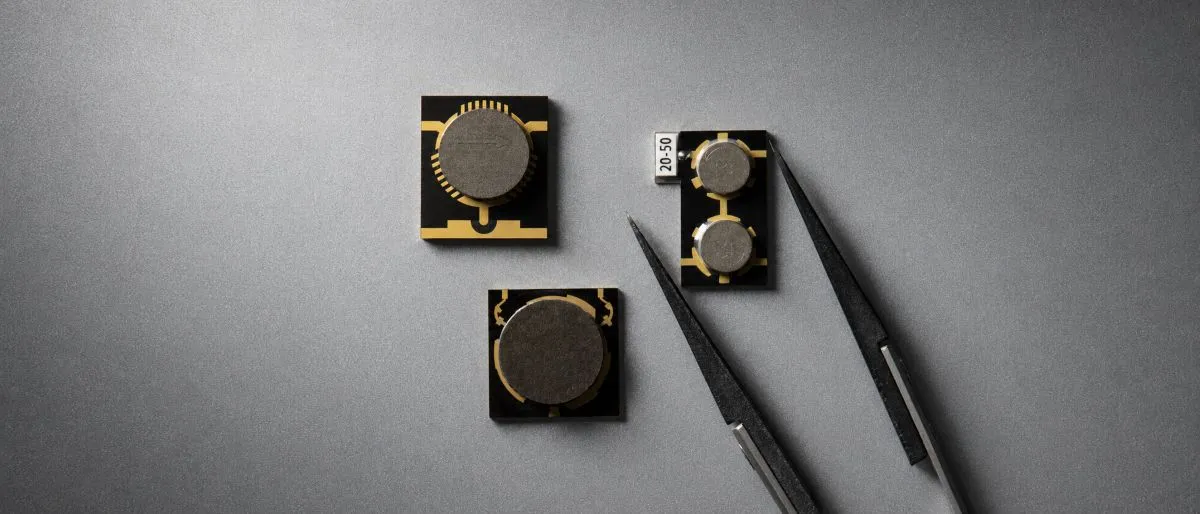
HzBeat components being prepared for RF research
ACTUAL HZBEAT COMPONENTS / LABORATORY HANDLING
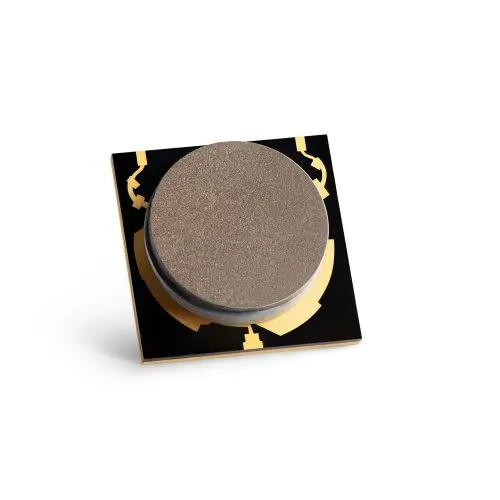
Miniature HzBeat microstrip RF component held with precision tweezers
01 / MICROSTRIP

Compact integration

For phased arrays, RF modules and space-constrained experimental hardware.

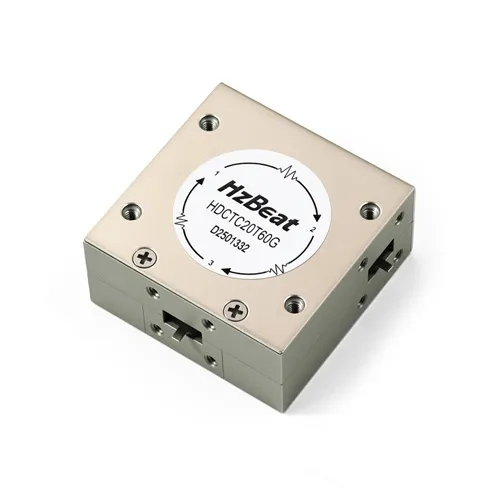
HzBeat drop-in circulator for embedded RF research platforms
02 / DROP-IN

Embedded performance

For broadband test platforms, transmitter protection and high-isolation paths.

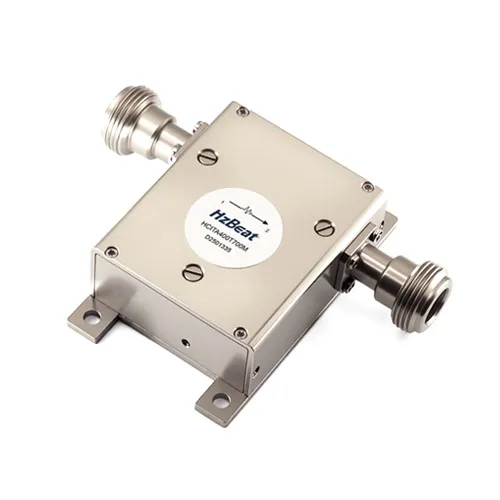
HzBeat coaxial RF isolator for connectorized laboratory prototypes
03 / COAXIAL

Flexible lab connection

For modular benches, high-power systems and connectorized prototypes.

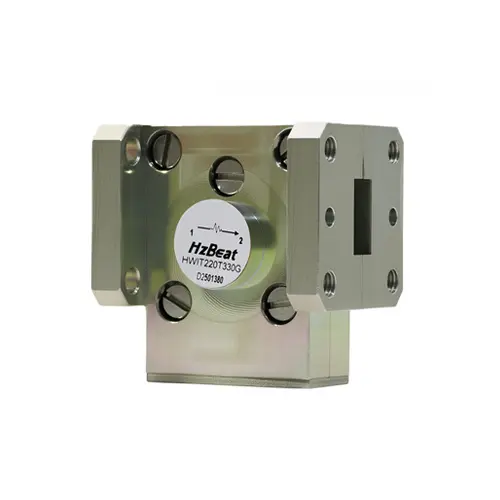
HzBeat waveguide isolator for millimeter-wave laboratory research
04 / WAVEGUIDE

Millimeter-wave research

For radar, satellite, V/W-band and demanding high-frequency experiments.

Selection criteria

What makes a strong application

A concise but technically complete proposal helps our engineers evaluate fit quickly and fairly.

01Clear research objectiveExplain the system problem and why a non-reciprocal component is needed.
02Defined RF requirementsInclude band, power, isolation, insertion loss and VSWR targets.
03Integration contextShare package, connector, size, temperature and mounting constraints.
04Realistic test planDescribe equipment, project schedule, quantity and research milestone.

A responsible partnership

Clear expectations on both sides

Technical honesty

HzBeat provides a direct fit assessment and clearly identified test conditions for agreed deliverables.

Research integrity

Support never requires a favorable conclusion. Researchers remain responsible for independent results.

Responsible use

Supported products are for agreed academic or non-commercial work and may not be resold.

Confidentiality

Confidential or export-sensitive projects may require a separate review before information is exchanged.

Applications open

Tell us what you are building.

Faculty, researchers, graduate students and recognized engineering teams are welcome to apply.

  • Academic or non-commercial use
  • Clear, measurable technical objective
  • Institutional email address
  • No resale of supported products

Complete applications are normally acknowledged within five business days. Engineering evaluation may require additional time. Support remains subject to technical fit and availability.

By submitting, you confirm that this request is for academic or non-commercial research use.

Frequently asked questions

Before you apply

Does every project receive free samples?

No. Complimentary or discounted samples are offered selectively based on technical fit, academic value, availability and program capacity.

Can undergraduate teams apply?

Yes, particularly recognized course, capstone and engineering competition teams. A faculty supervisor and clear technical plan strengthen the application.

Can HzBeat support a custom frequency or mechanical format?

Yes. Include the required band, power, isolation, insertion loss, interface, size and operating environment so our engineers can assess feasibility.

Can you provide S-parameters and test reports?

Measured data may be supplied depending on the selected product and project requirements. Available formats are confirmed during review.

May we publish results using HzBeat products?

Yes. Independent academic results are welcome. Trademark use, confidential information or jointly prepared content should be agreed in writing before publication.

Can HzBeat sign an NDA?

Confidential projects can be discussed separately. Describe the general application without disclosing sensitive material in the initial form.