Can Material Differences Affect RF Circulator Performance Consistency Between Batches?
Learn how material variations influence RF circulator performance consistency, including insertion loss, isolation, VSWR, and HzBeat’s quality control process.
 Updated on: Jul 23, 2026
 Author:
Yes. Material differences can influence the performance consistency of RF circulators between production batches, especially in high-frequency, broadband, and high-power applications where electromagnetic properties must be tightly controlled.
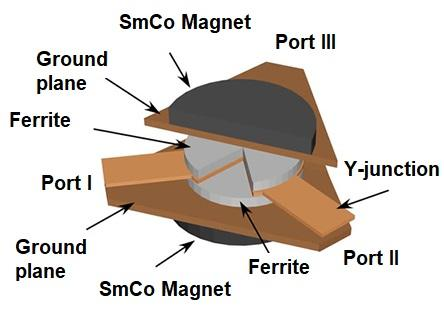
An RF circulator relies on ferrite materials, magnets, conductors, and mechanical structures working together to achieve stable parameters such as insertion loss, isolation, VSWR, and power handling. Variations in ferrite composition, magnetic properties, dielectric characteristics, or machining accuracy may cause slight changes in RF performance.
For example, differences in ferrite material parameters, such as saturation magnetization, magnetic loss, and temperature stability, can affect the circulator’s operating frequency range and isolation performance. Similarly, variations in conductor dimensions or assembly tolerances may influence impedance matching and insertion loss.
At HzBeat, we control batch-to-batch consistency through strict material selection, supplier qualification, precision manufacturing processes, and comprehensive RF testing. Each RF circulator batch is verified using network analyzers and performance testing procedures to ensure key specifications remain within defined tolerances.
By maintaining consistent material standards and manufacturing control, HzBeat helps customers achieve reliable RF performance across repeated orders, even for customized microwave circulators and high-performance RF solutions.
Practical rule: For critical RF systems, material consistency is just as important as the initial design because small material variations can directly impact long-term product reliability.
 Article Tags
Keith Wong
Marketing Director, Chengdu Hertz Electronic Technology Co., Ltd. (Hzbeat)
Keith has over 18 years in the RF components industry, focusing on the intersection of technology, healthcare applications, and global market trends.